
It is 1908, the sun is scorching and the heat is unbearable. Not even to talk about the wind and the sandstorms. For the railway workers this is nothing new. Each day is the
same: get up and work while dreaming of what ifs. Until one man picks up a large shiny
stone in the sand near Lüderitz. Little did he know how this insignificant act would change the course of history. Who would have thought that this forsaken desert would
have buried treasures in her sands?
In a dusty southern coastal town of Lüderitz, Zacharias Lewala picked up a diamond in 1908. Prospectors flocked to Namibia with the hope of getting a piece of this newly discovered gold mine.
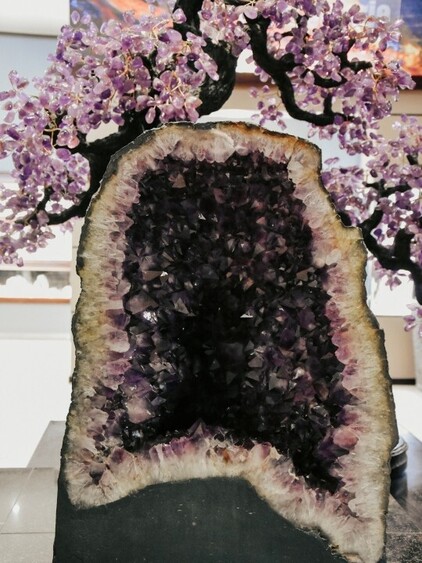 Photo credits: Janke Murray
Russia is the leader when it comes to producing diamonds, but Namibia fits uniquely into the global gemstone market as it stole the spotlight for quality. Namibia produced about 2.3 million carats which places it 8th by volume but topped the global list in quality with an average value of $ 417 per carat in 2024. What makes the diamonds in Namibia even more fascinating is that many of the diamonds were washed down the Orange River to the Atlantic Ocean and the aggressive surf naturally crushed the flawed stones leaving behind the best diamonds.
Not only are the diamonds in Namibia a special find, but the country is also known for its other unique gemstones. Whether it is tourmalines, demantoid, Pietersite or quartz, Namibia has it all.
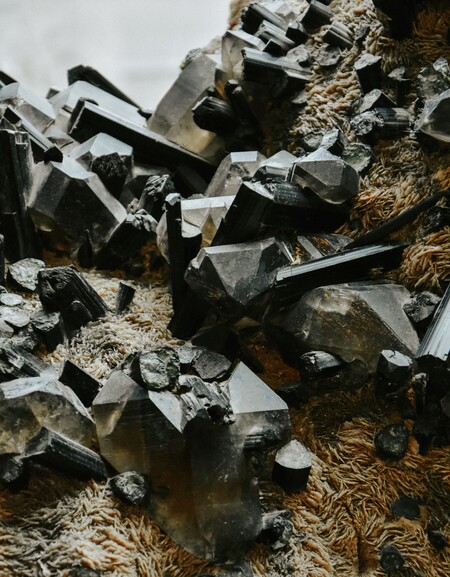 Photo credits: Janke Murray
Many of the best quality tourmalines come from the Erongo Mountains in central-western Namibia. Characteristically the tourmalines from this area are fine blue-green and pink crystals, while Demantoid is a rare but vibrant green gemstone. It is prized for its diamond-like luster and colour. It was discovered in the 1990s also in the Erongo region and is sold as faceted gems as well as collector specimens.
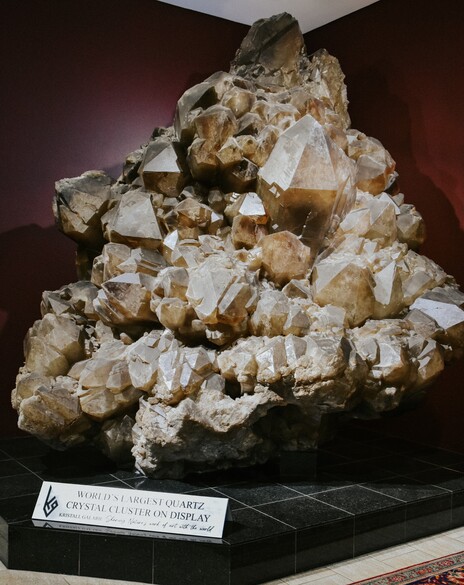 Photo credits: Janke Murray
The Brandberg, Gobobosem Mountains, Erongo region and Otjua mine in Karibib produces gorgeous amethyst, smokey quartz, tourmaline and giant pegmatite quartz formations. The Kristal Gallery in Swakopmund houses a 14,100 kg giant quartz cluster that was discovered near Karibib. It is believed that this cluster identifies as a “floater." This means that they grow while floating in the mineralizing fluid, rather than growing onto the surface.
Namibia is truly a diamond in the rough. It produces top quality gemstones as well as other minerals, like copper, granite, uranium, marble, salt and even gold just to name a few. If you are looking for a few gemstones for your collection, Namibia is the place to visit!
Author: Janke Murray
.png?width=203&height=146&name=GTC%20LOGO-01%20(1).png "GTC LOGO-01 (1)")
SUBMIT YOUR COMMENT